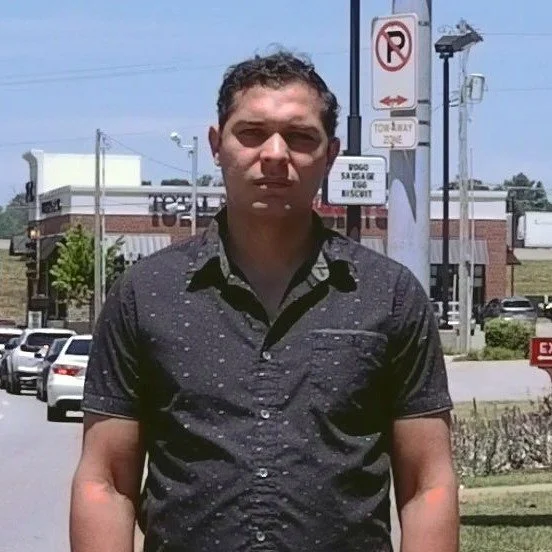
Carlos Salazar-Lermont (born 1987) is a Chicago-based multidisciplinary artist who works in performance, video, photography and installation. Born in Caracas, Venezuela, he moved to the United States in 2016. His work looks at the moral codes that Catholicism, inherited from colonial rule, still sets in Latin America, and at Venezuelan migration, often using his own body as material and borrowing from Baroque religious imagery.
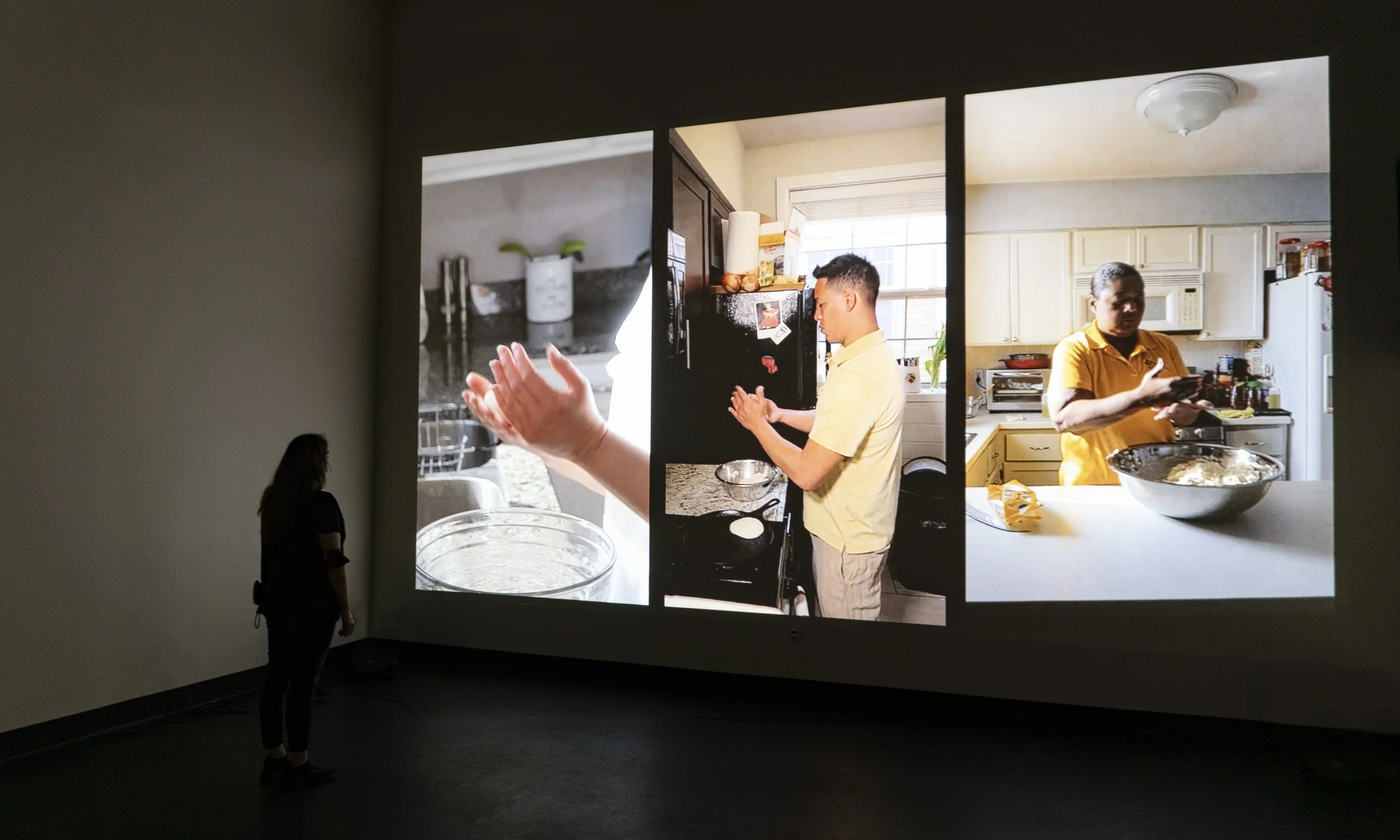
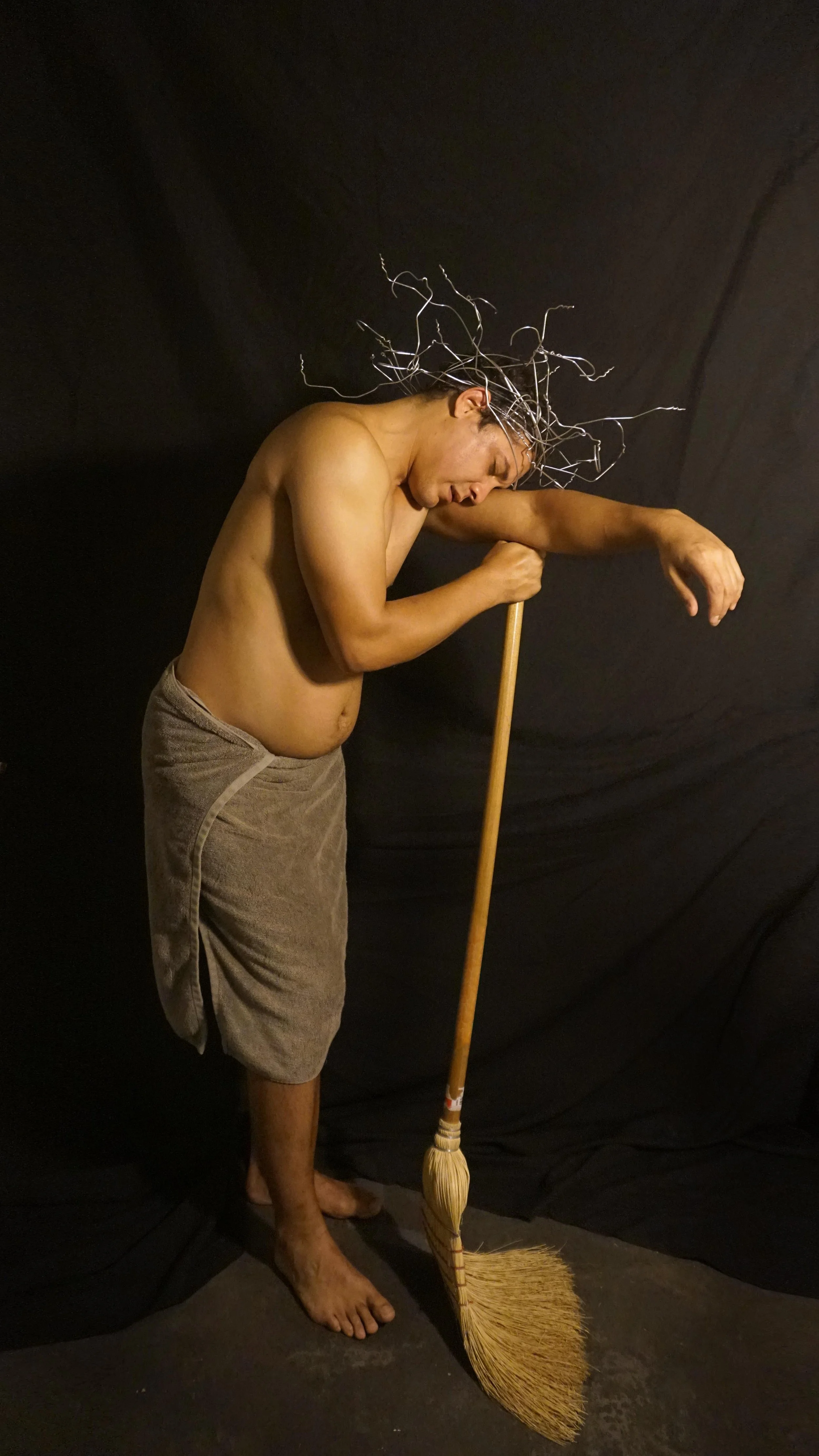
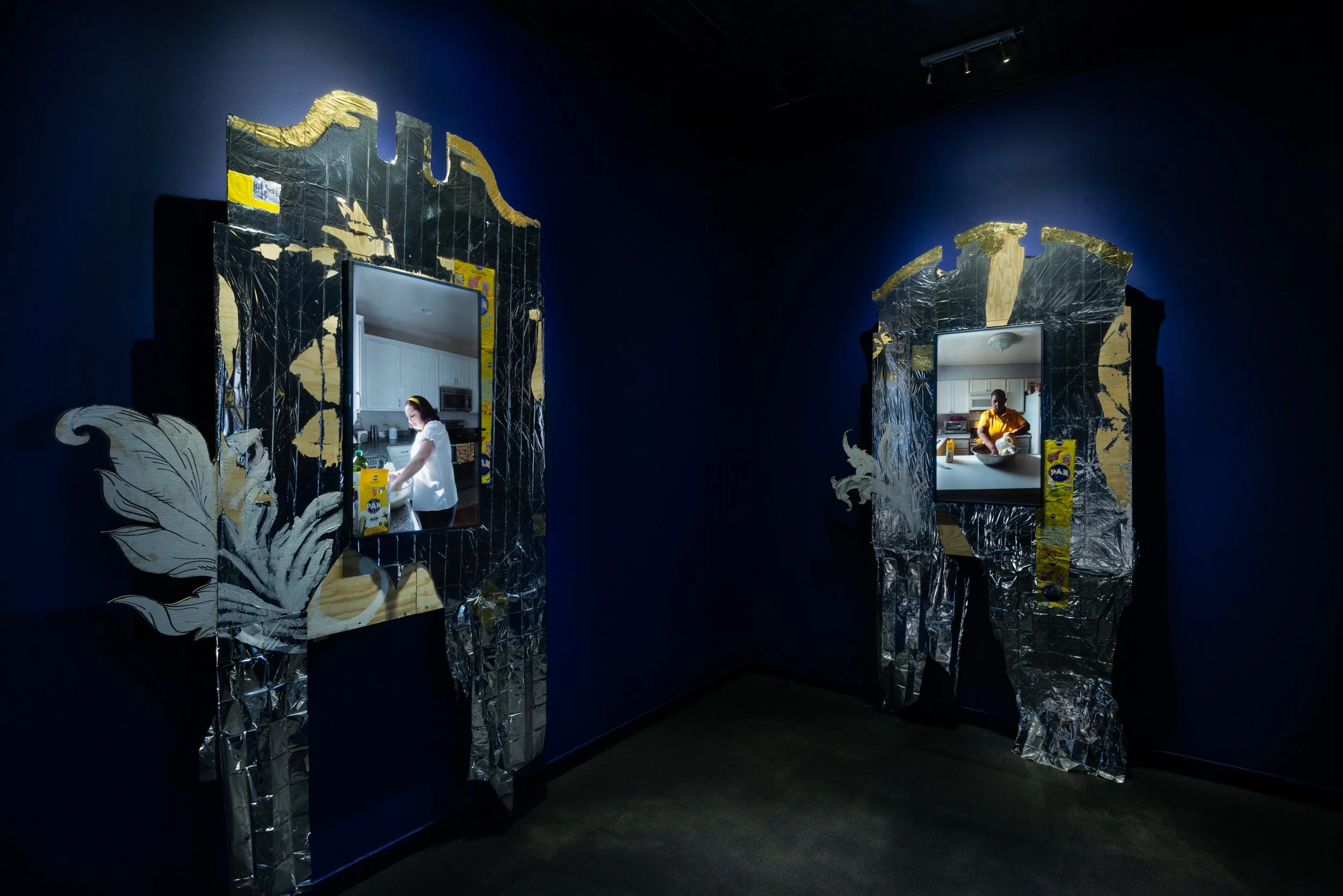
Recurring materials include Mylar emergency blankets and the packaging of the corn flour used to make arepas, much of it donated by Venezuelan immigrants in Missouri. In the three-channel video installation Sanctuary (2022), Venezuelan immigrants make arepas on screens set into frames based on Baroque churches in Caracas. In the photograph Transubstantiation on Gray (2021) he wears a crown twisted from wire hangers, and for the durational performance Habitus (2025) he kept a monk’s tonsure for 34 days.
In Venezuela, Salazar-Lermont founded P3 Plataforma Para Performance (2014) and the International Performance Art Biennial of Caracas (2015).
Salazar-Lermont earned a BFA in sculpture from UNEARTE in Venezuela (2012), a dual MA in Arts Administration and Policy and Modern and Contemporary Art History from the School of the Art Institute of Chicago (2019) and an MFA in Visual Art from the Sam Fox School of Design & Visual Arts at Washington University in St. Louis (2022), where he was a Danforth Scholar and later taught as a part-time lecturer. He received a 2023 Regional Arts Commission grant and was selected for a 2025 Sam Fox School residency at the Cité internationale des arts in Paris.
His work has been shown in more than a dozen countries, including at Chicago’s Rapid Pulse International Performance Art Festival. Recent exhibitions in Chicago include Fixing the Baroque at ACRE Projects (2025–26), Mutuality at the Hyde Park Art Center (2025–26) and a solo presentation at The Arts Club of Chicago (2026). He has had two solo exhibitions at Bruno David Gallery: Esperando A Dios (EAD) v.01 (2023), a video about the marginalization of immigrants, filmed in front of fast-food “now hiring” signs in St. Louis, and Vanitas Vanitatum (2025), a split-screen video drawn from the Book of Ecclesiastes.
SELECTED WORKS
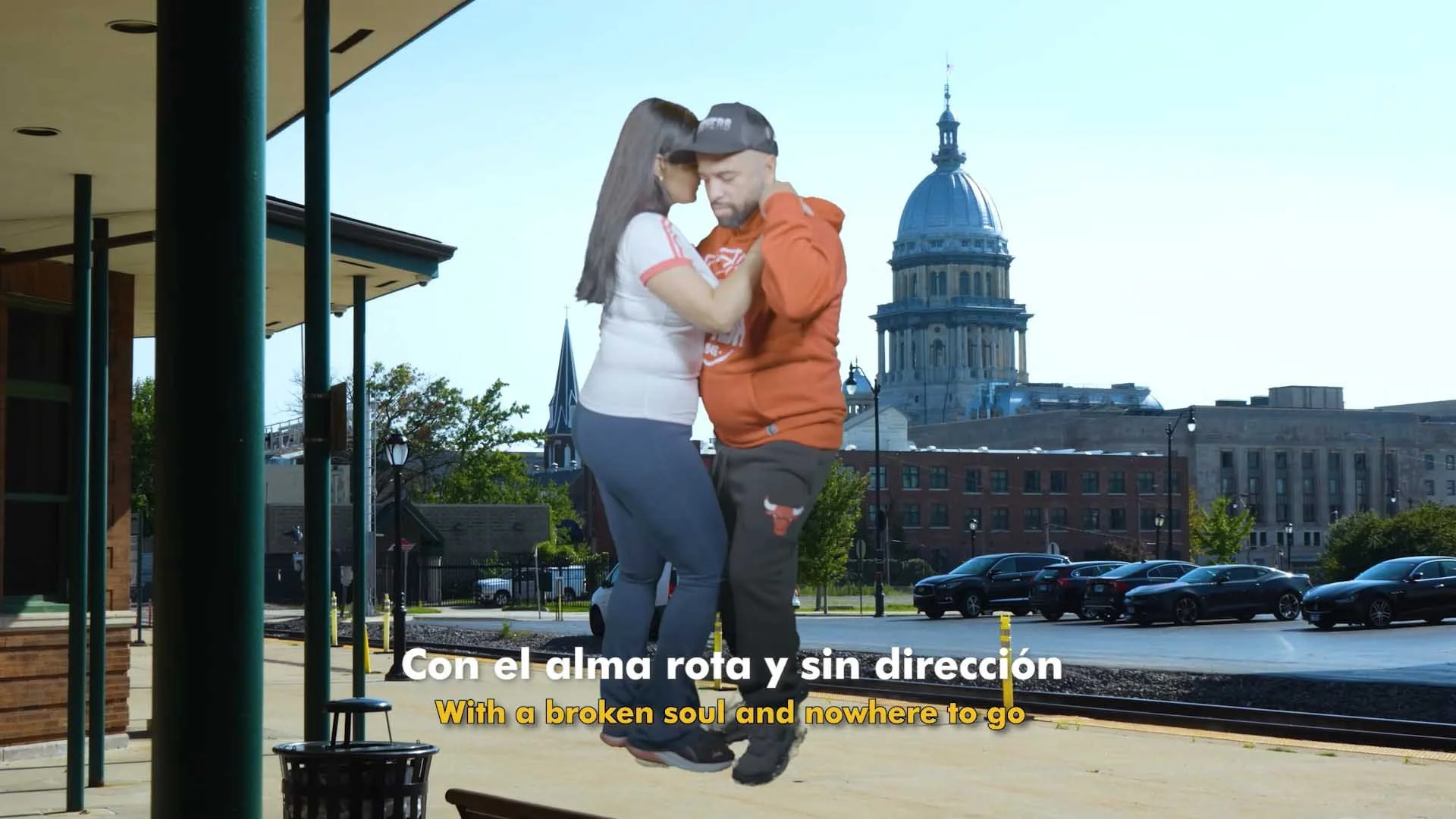
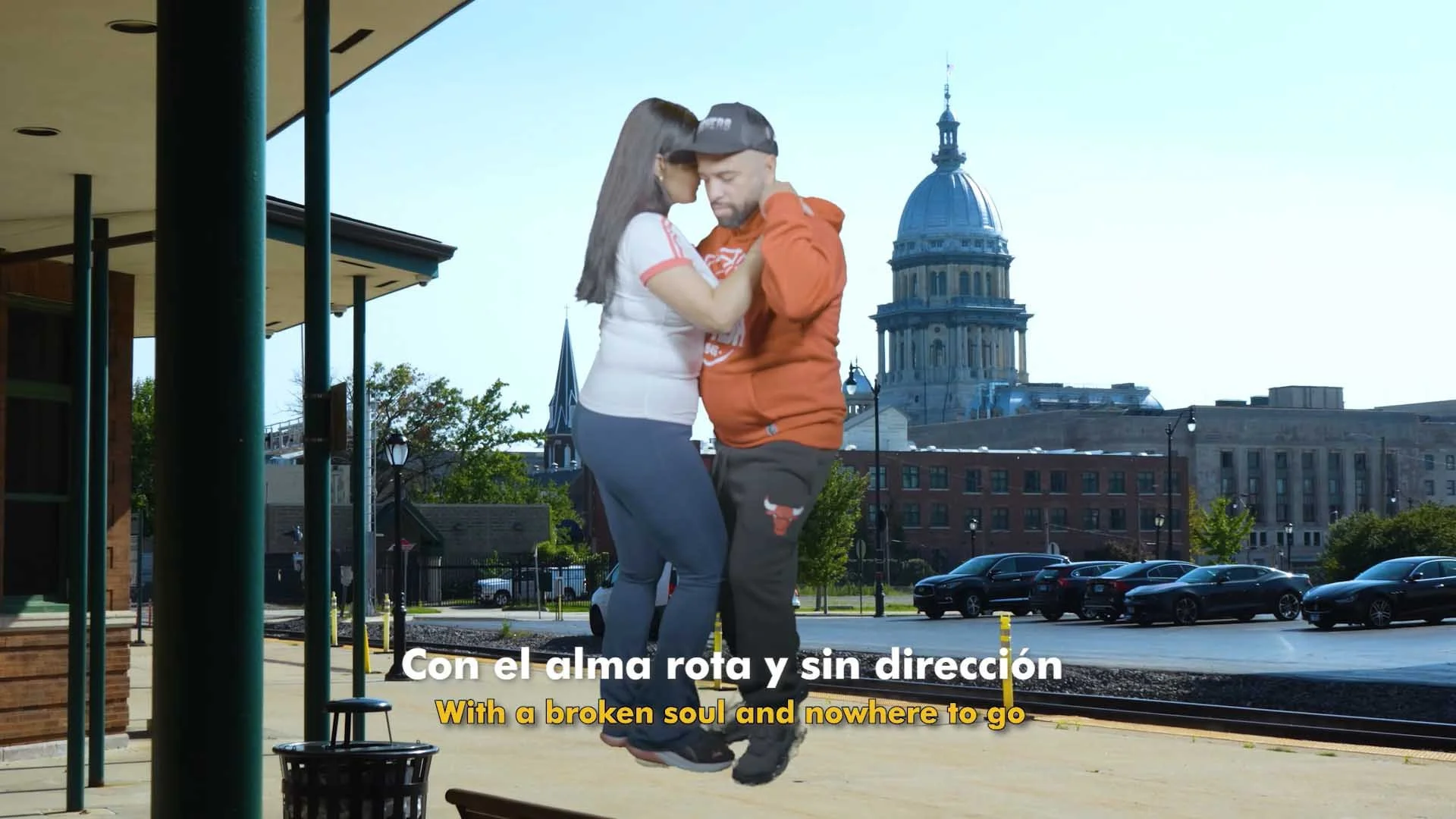
Carlos Salazar-Lermont Santuario de Amor, 2025 4K video 5:40 min., edition of 8 + 2 AP

Carlos Salazar-Lermont Esperando A Dios (EAD) v.01, 2022–23 Three-channel video 3:47 min.
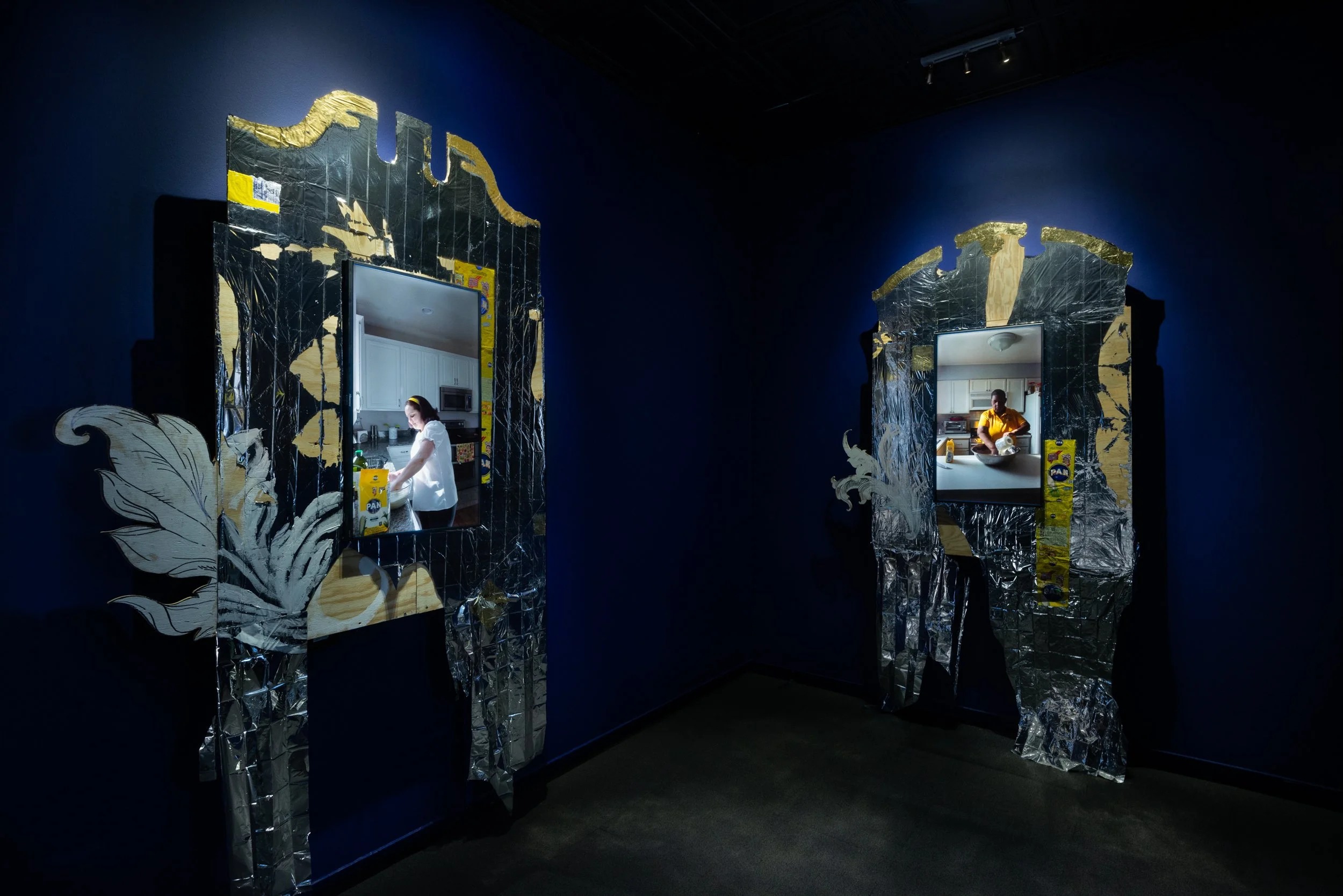
Carlos Salazar-Lermont Sanctuary, 2022 Three-channel video installation with Mylar emergency blankets, gold leaf and arepa flour packaging on wood, three LCD screens, acrylic and marker Dimensions variable, 53 min. loop
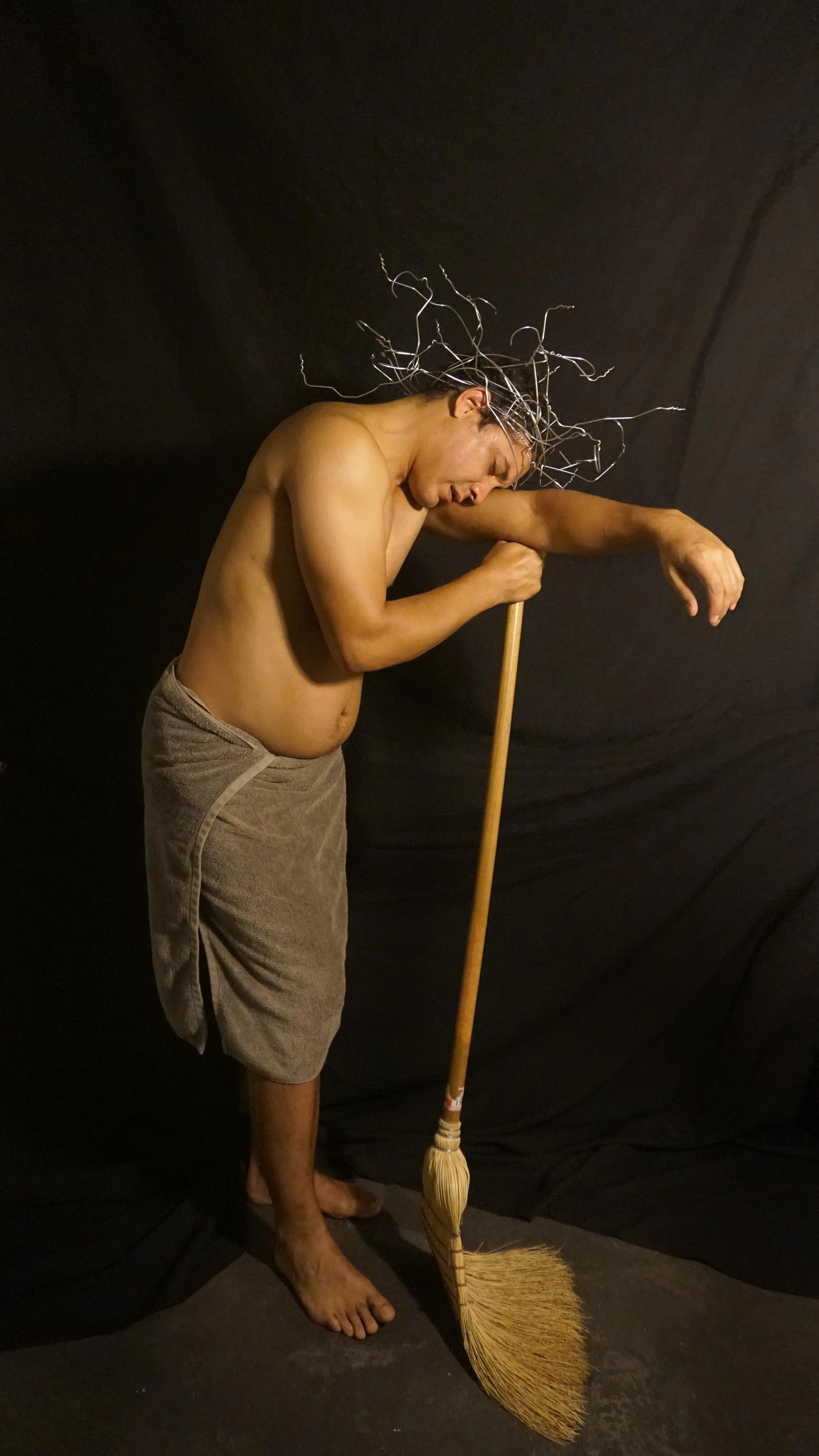
Carlos Salazar-Lermont Transubstantiation on Gray, 2021 Digital photograph 60 x 34 in. (152.4 x 86.4 cm), edition of 8 + 2 AP
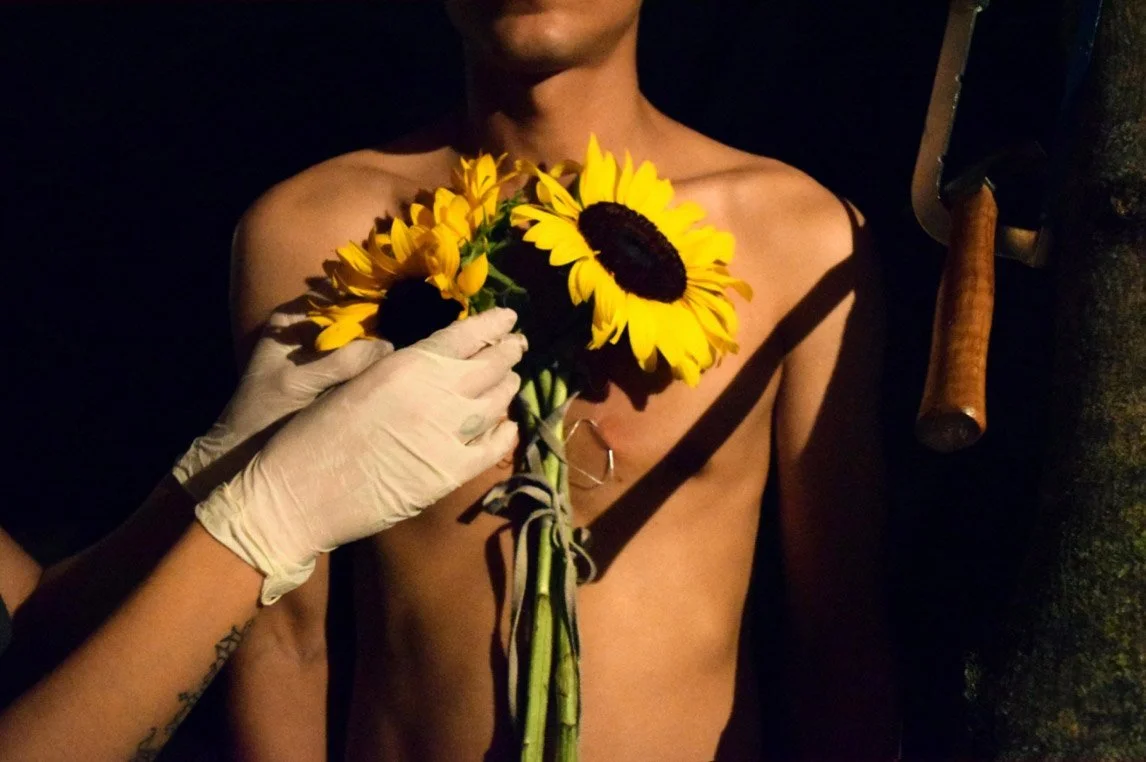
Carlos Salazar-Lermont Et Omnia Vanitas, 2016 Photograph 16 x 23 in. (40.6 x 58.4 cm)
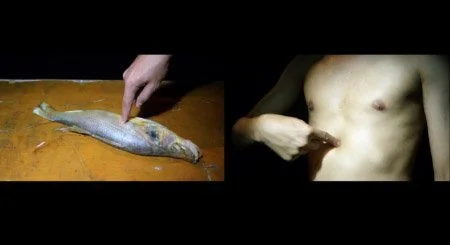
Carlos Salazar-Lermont Ichthys II, 2014 Two-channel video, color, sound 4:01 min.
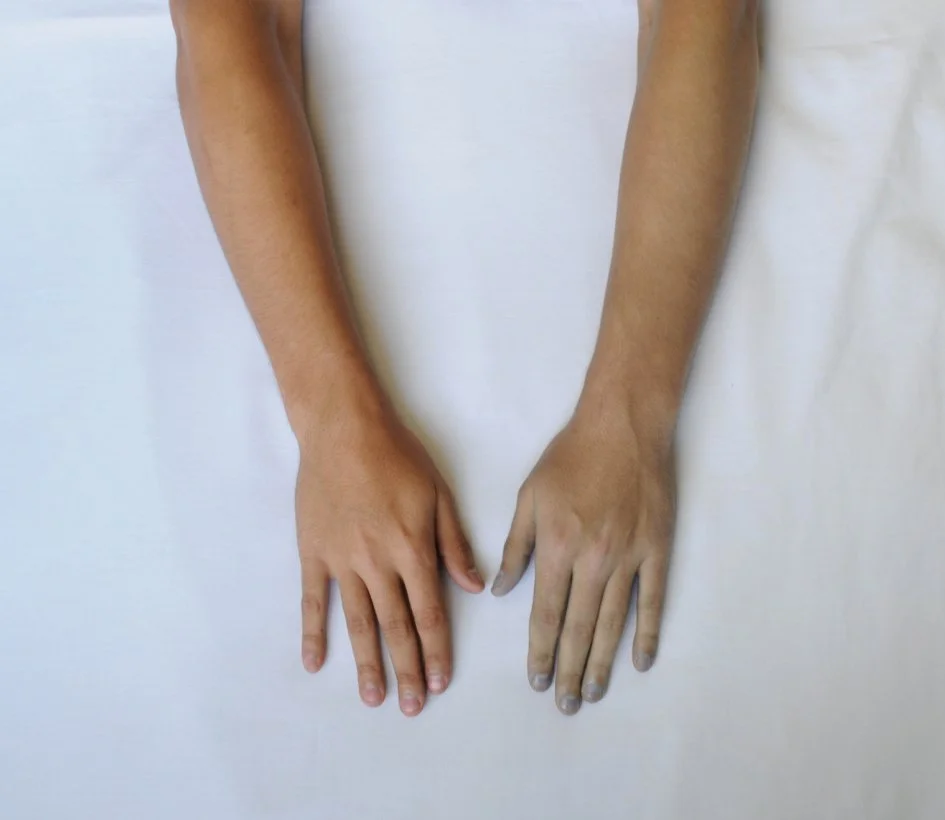
Carlos Salazar-Lermont Rigor Mortis, 2015 Photograph 39 x 41 in. (99.1 x 104.1 cm)
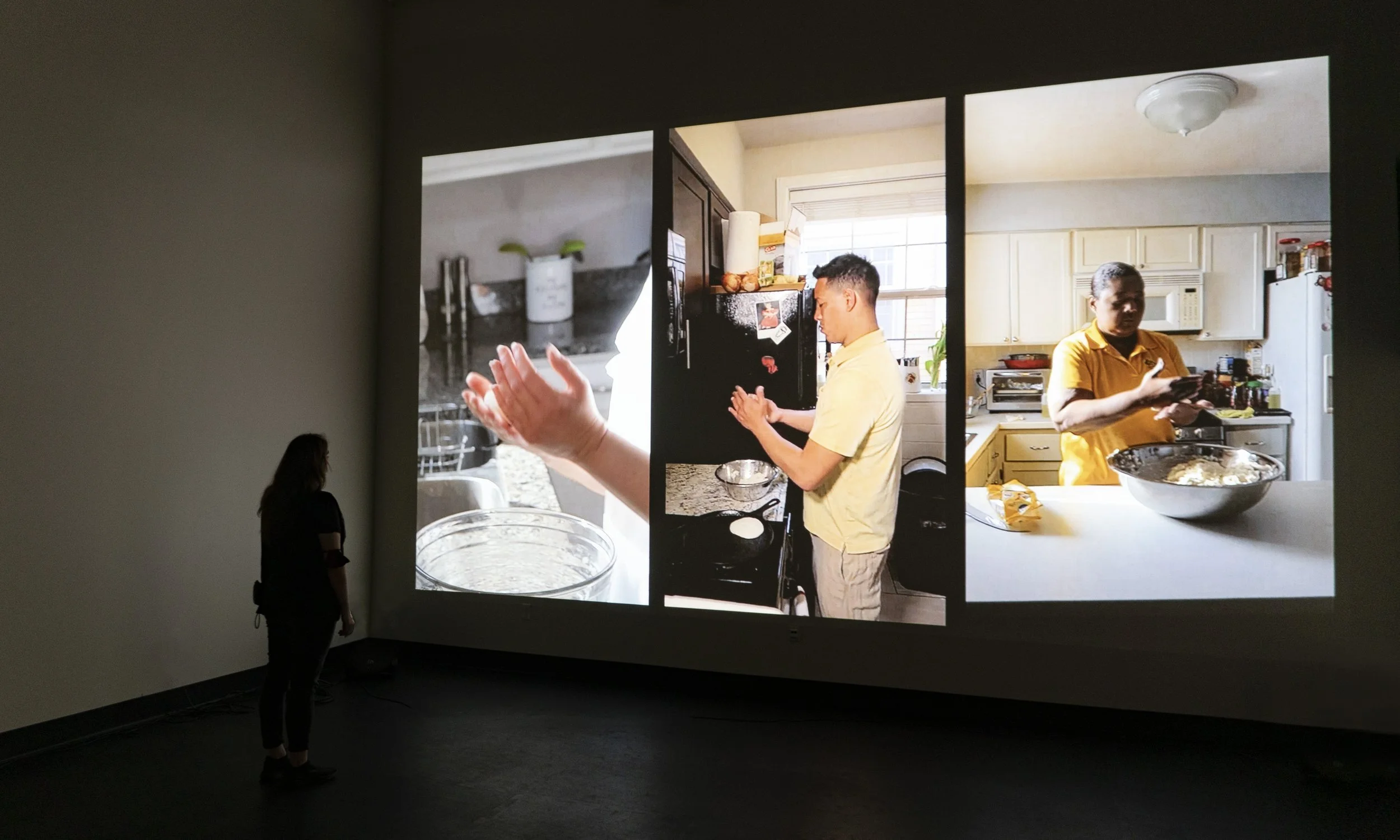
Carlos Salazar-Lermont Hosts, 2022 Three-channel full HD video installation 22:39 min., loop
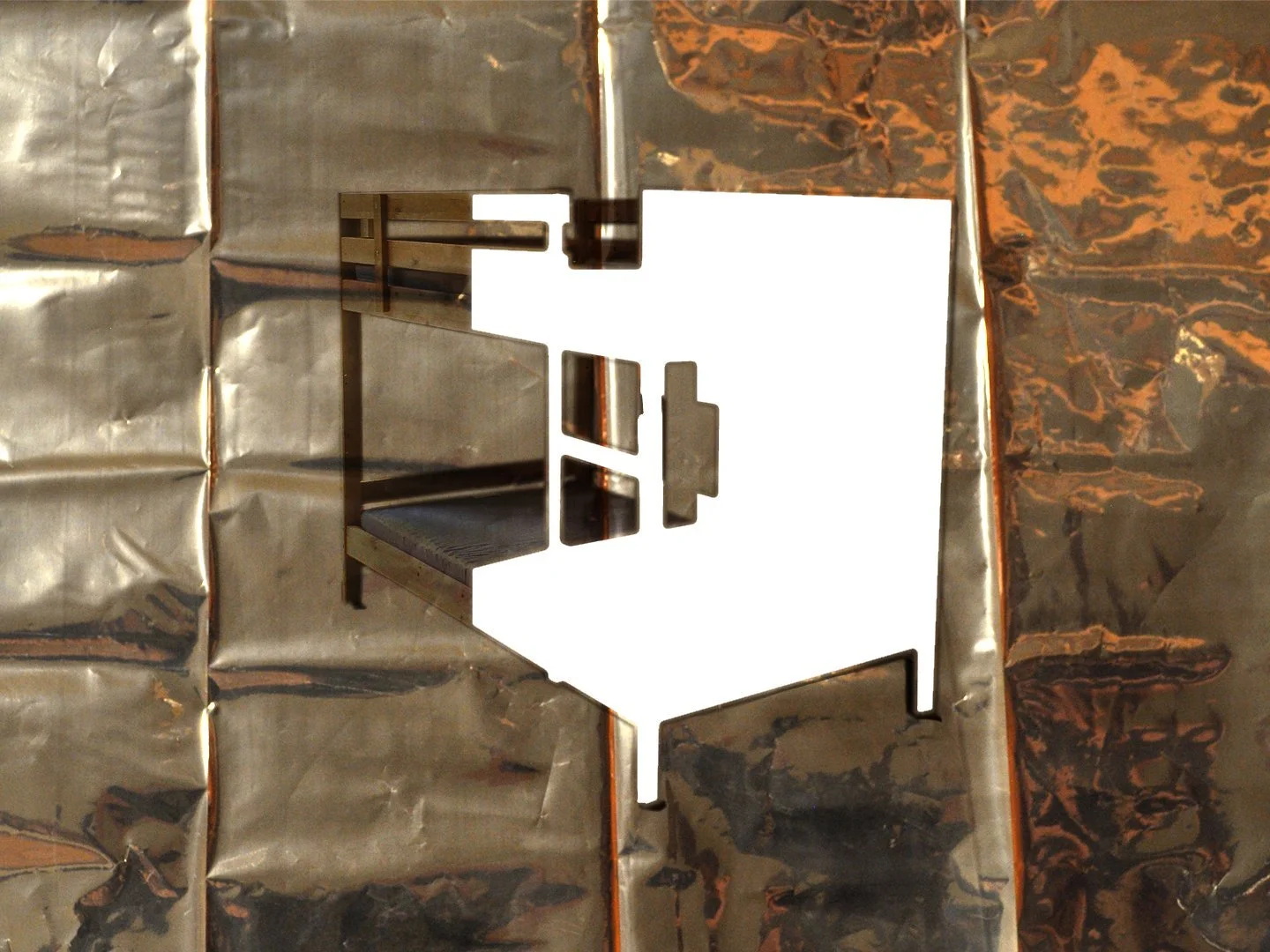
Carlos Salazar-Lermont Mylar I, 2020 Digital print 14 x 18 in. (35.6 x 45.7 cm)
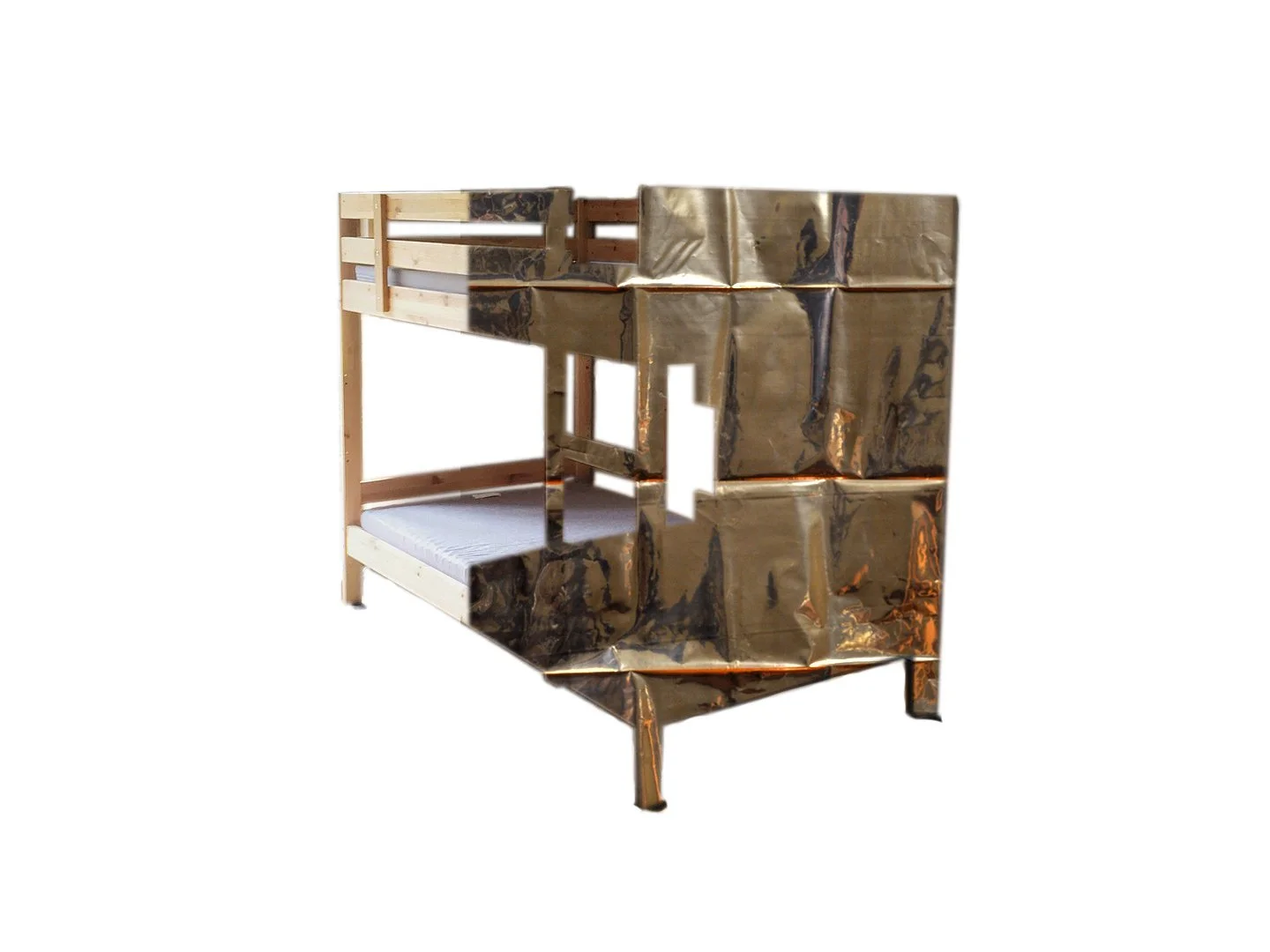
Carlos Salazar-Lermont Vacio I, 2020 Digital print 14 x 18 in. (35.6 x 45.7 cm)
EXHIBITIONS
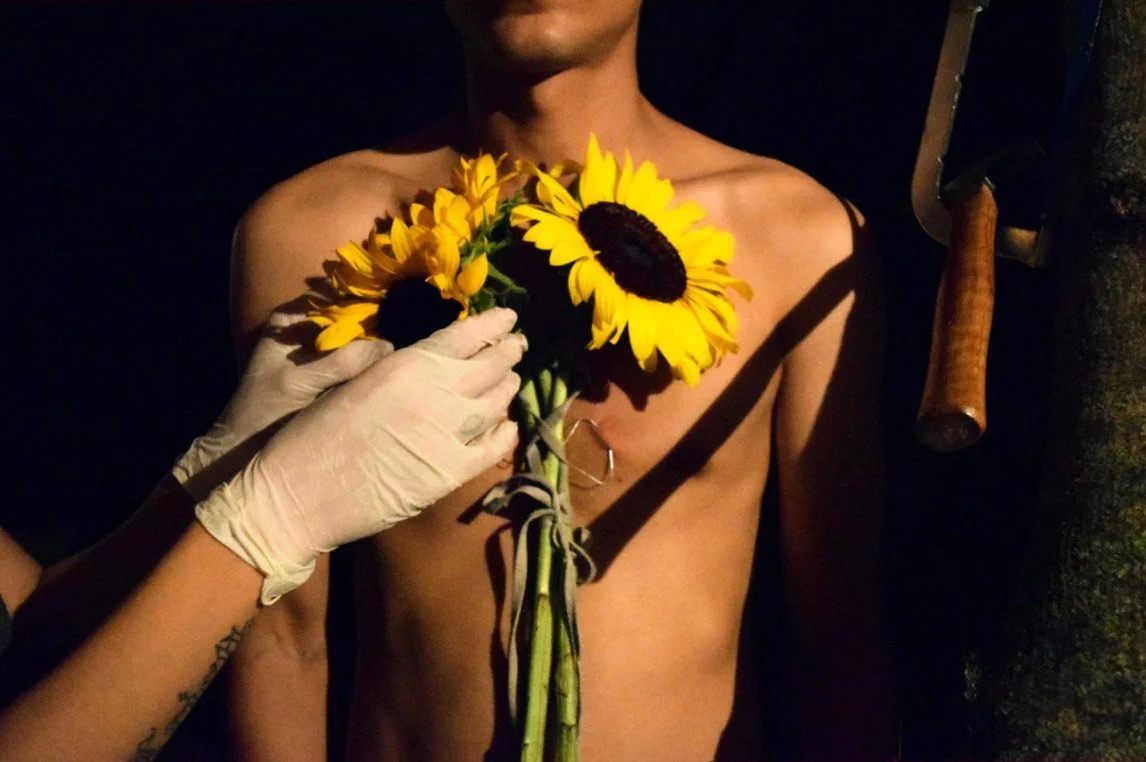
BRUNO DAVID GALLERY, ST. LOUIS
Vanitas Vanitatum
Solo exhibition
4 April – 12 July 2025

BRUNO DAVID GALLERY, ST. LOUIS
Esperando A Dios (EAD) v.01
Solo exhibition
28 April – 25 August 2023
NEWS
SOLO EXHIBITION
Solo presentation in the Drawing Room
The Arts Club of Chicago, Chicago, May 2026
PUBLICATIONS
SELECTED PRESS
INTERVIEW
How St. Louis artists balance the creative and financial sides of making art
St. Louis Public Radio, Aaron Doerr, July 2023
PRESS
Immigrant Artists: Living Architecture Breathes New Life into the Histories of Chicago
Newcity Design, Manisha AR, August 2018
INTERVIEW
Carlos Salazar Lermont: Dónde está lo que me atormenta
ViceVersa Magazine, Gabriela Mesones Rojo, June 2017
FEATURE
Carlos Salazar-Lermont y la urgencia de nombrar lo que somos
Artishock, Manuel Vásquez-Ortega, May 2020